
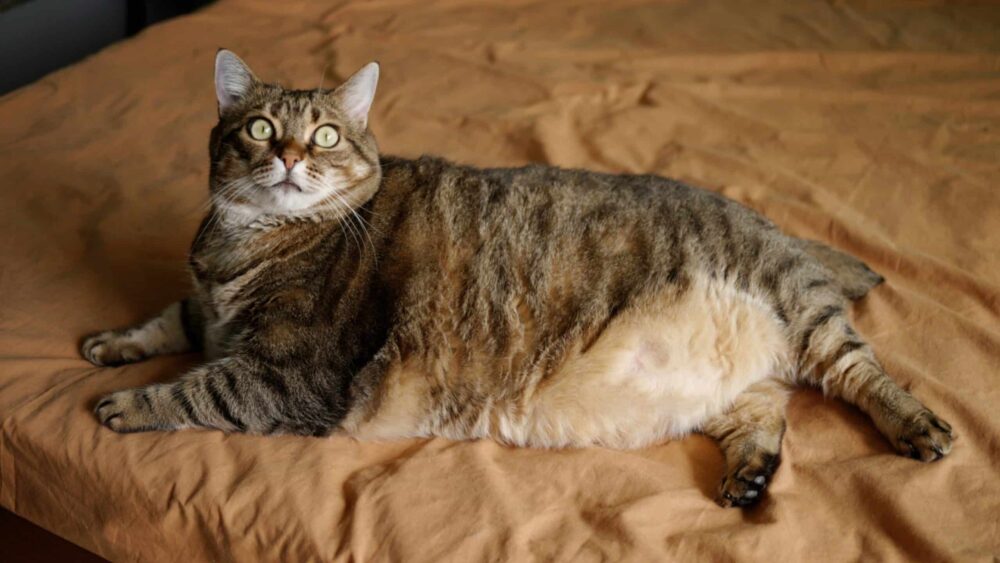
As the New Year begins, many of us set resolutions to feel better, move more, and build healthier habits. Our pets can benefit from those same goals. In fact, maintaining a healthy weight is one of the most important things you can do to improve your dog’s or cat’s quality of life and longevity. Extra weight can quietly steal years from pets by increasing the risk of arthritis, diabetes, heart and respiratory disease, pancreatitis, urinary issues, and certain cancers.
The good news? You can turn things around—and the New Year is the perfect time to start.
How Veterinarians Determine a Healthy Weight
Veterinarians don’t just look at the number on the scale. A healthy weight is determined using the Body Condition Score (BCS), a hands-on evaluation that looks at your pet’s fat coverage and overall structure. Most clinics use a 9-point or 5-point scale where:
- Ideal weight: ribs are easy to feel, the waistline is visible from above, and the abdomen tucks upward behind the ribcage. When viewed from above, the body should narrow behind the ribs and then widen slightly at the hips—creating a gentle hourglass shape. From the side, you should also see an abdominal tuck, where the belly slopes upward toward the hind legs rather than hanging low.
- Overweight pets: ribs become harder to feel, the waistline disappears, the abdominal tuck flattens or drops, and fat pads may develop over the hips, lower back, or abdomen.
- Underweight pets: ribs and spine are overly prominent, with minimal muscle or fat coverage.
Because every breed and body type is different, your veterinarian will combine the BCS with muscle condition scoring, lifestyle factors, and your pet’s medical history to determine each pet’s personalized healthy weight range.
Why Achieving a Healthy Weight Matters
Even a few extra pounds can put significant strain on a pet’s joints and organs. For example, just one pound of extra weight in a cat is roughly equivalent to 15 extra pounds in a person, and five pounds on a medium-sized dog can be the equivalent of 30–40 human pounds. Reaching a healthy weight can lead to:
- Better mobility and less joint pain, including reduced stress from arthritis
- Improved energy
- Reduced risk of chronic disease, including diabetes, pancreatitis, respiratory issues, and certain urinary conditions
- Reduced strain on the heart, helping improve cardiovascular function
Think of it as a resolution that pays off every day, not just at the start of the year.
Your Pet’s New Year Weight-Loss Plan
Just like people, pets lose weight best with a structured, safe plan—not crash diets or guessing. Here’s how to begin:
1. Get a Veterinary Weight Assessment
Your vet can identify an ideal target weight and recommend a feeding plan tailored to your pet’s age, breed, lifestyle, and medical needs. Prescription weight-loss diets can help pets feel full while reducing calories. Common veterinary-recommended options include:
- Royal Canin: Satiety Support, Weight Care, or Gastrointestinal Low Calorie
- Hill’s Science Diet: Metabolic + Mobility, Perfect Weight, or Light
- Purina: Pro Plan OM (Overweight Management) or One Healthy Weight
- Rayne Clinical Nutrition: Low Fat formulas
Your veterinarian can help determine which is most appropriate for your pet.
2. Measure Every Meal
“Free feeding” or estimating portions is one of the biggest contributors to weight gain. Use a measuring cup or, better yet, a kitchen scale to ensure accuracy. Treats should account for no more than 10% of daily calories.
In some cases—especially in pets with significant mobility issues who cannot safely increase activity—your veterinarian may recommend decreasing the current food amount by approximately 30% for one month, then reevaluating BCS and adjusting as needed. It can sound extreme, but for pets who are already struggling to move comfortably, this approach helps create early momentum in weight loss without relying on exercise.
3. Choose Healthier Treat Options
Swap high-calorie snacks for leaner choices. Many pets enjoy small carrots, green beans, plain air-popped popcorn, or tiny pieces of their regular kibble.
4. Increase Activity Gradually
Exercise helps burn calories and build muscle. Short, frequent walks, gentle play sessions, puzzle feeders, and interactive toys are great ways to add movement. For cats, even 5–10 minutes of active play a few times daily can make a difference.
5. Avoid Table Scraps
Human food is often calorie-dense and can lead to rapid weight gain or pancreatitis. Sticking to pet-friendly foods keeps the plan on track.
6. Track Progress Every 2–4 Weeks
Small changes add up. Regular weigh-ins and body condition checks help ensure the plan is working and allow for adjustments when needed.
A Resolution You and Your Pet Can Keep
This New Year, consider making a healthy-weight goal for the whole family—including the four-legged members. Pets rely on us to make the right choices for them, and they repay us with more years of love, comfort, companionship, and joy.
By partnering with your veterinary team, creating a realistic plan, and celebrating small victories along the way, you can help your pet step into the new year healthier and ready for many more adventures by your side.







Leave A Comment